How the Geography of St. John Shapes the Way Visitors Travel the Island
St. John is small on a map, but once you’re here, it moves a little differently. The hills, the curves, and the protected land all shape how your days unfold. Plans feel more open, drives take a bit longer than expected, and everything settles into a steady, easy pace.
Once you understand how the geography works, everything starts to feel simple and intuitive.

Why Getting Around St. John Is Different From Other Caribbean Islands
St. John doesn’t have an airport. Most visitors arrive through Cyril E. King Airport, then take a ferry from St. Thomas into Cruz Bay.
From the moment you land, you’re already moving at a different pace.
A large portion of St. John is protected within Virgin Islands National Park, which means roads follow the natural shape of the land. You won’t find straight highways cutting across the island. Instead, roads curve around hills, climb ridgelines, and dip into valleys.
Distances can look short, but they don’t always feel that way once you’re driving. That’s completely normal here.
Most people adjust quickly. The key is choosing a place to stay that keeps your daily drives easy and manageable.
National Park Land and Its Impact on Transportation
Virgin Islands National Park shapes how the island moves in subtle ways.
You’ll notice roads narrowing or stopping near protected areas, especially farther out. Signage can be minimal, and there aren’t many expanded parking areas.
This is all part of preserving the landscape.
Locals plan around it without much thought. They know which routes to take and when to head out.
For visitors, it simply means allowing a bit of extra time and having a general sense of where you’re going before you leave.
The Role of Elevation, Hills, and Curves in Daily Transportation
Elevation is constant on St. John. You’re almost always heading uphill, downhill, or tracing along a ridge.
Leaving Cruz Bay, you’ll climb almost immediately. As you move across the island, roads wind through hills with switchbacks and narrow sections, especially along the north shore and heading toward the east end.
This is also why travel time feels different here.
A five-mile drive might include:
-
Curves that keep speeds low
-
Elevation changes that require steady driving
-
Tight sections where cars pass carefully
So what looks close on a map can easily take 20–25 minutes. Drives between Cruz Bay and Coral Bay, for example, are often around that range with light traffic, and closer to 30 minutes when things slow down.
Time of day matters more than distance. Mornings are the easiest for getting around, especially heading toward beaches. Midday can feel slower near popular areas, then things ease again later in the afternoon.
If it’s your first time driving here, give yourself a little room to adjust. Take it slow, stay to your side, and follow the flow of the road. One thing to keep in mind: driving is on the left in the USVI, even though most vehicles are left-hand drive.
All-wheel drive is helpful if your villa sits higher up or along a steeper access road, especially after rain. For most main routes, it’s not necessary.
Where you stay makes a difference here. A home with easier access can make everyday drives feel simple instead of something you have to think about.
How St John Beach Locations Shape Travel Decisions in USVI
St. John’s beaches are spread out in a way that naturally guides your plans.
Along the north shore, you’ll find some of the most popular spots:
-
Trunk Bay has one of the few large, organized parking areas and easy access
-
Cinnamon Bay offers the widest stretch of sand with more room to spread out
-
Maho Bay sits right along the road, which makes it easy to reach and quick to fill up
-
Francis Bay is just a bit farther, with a short walk in and usually a quieter feel
These beaches sit between hills and protected park land, which keeps them beautiful but limits parking and expansion.

On the south and east sides, beaches feel more tucked away:
-
Salt Pond Bay is reached by a paved road followed by a short walk down a trail
-
Lameshur Bay is more remote, with a longer drive and rougher road conditions depending on weather
Because of how everything is laid out, it helps to plan your beach days by area.
A few local habits make it easier:
-
Go early if you’re heading to Trunk Bay
-
Pick one beach for the morning and stay awhile
-
Give places like Salt Pond or Lameshur their own day
Midday arrivals often mean limited parking, especially along the north shore.
A centrally located stay helps you avoid backtracking and keeps your days feeling easy.
Cruz Bay, Coral Bay, and the Geography of Where People Stay
Where you stay on St. John shapes your entire trip, and it usually comes down to Cruz Bay or Coral Bay.
Cruz Bay is the main hub. It’s where the ferry arrives and where most restaurants, shops, and markets are located. It also gives you the quickest access to the north shore beaches like Trunk Bay and Cinnamon Bay.

Because of that, it feels more active. Roads near town can get busier, especially later in the day, and parking can take a bit of patience.
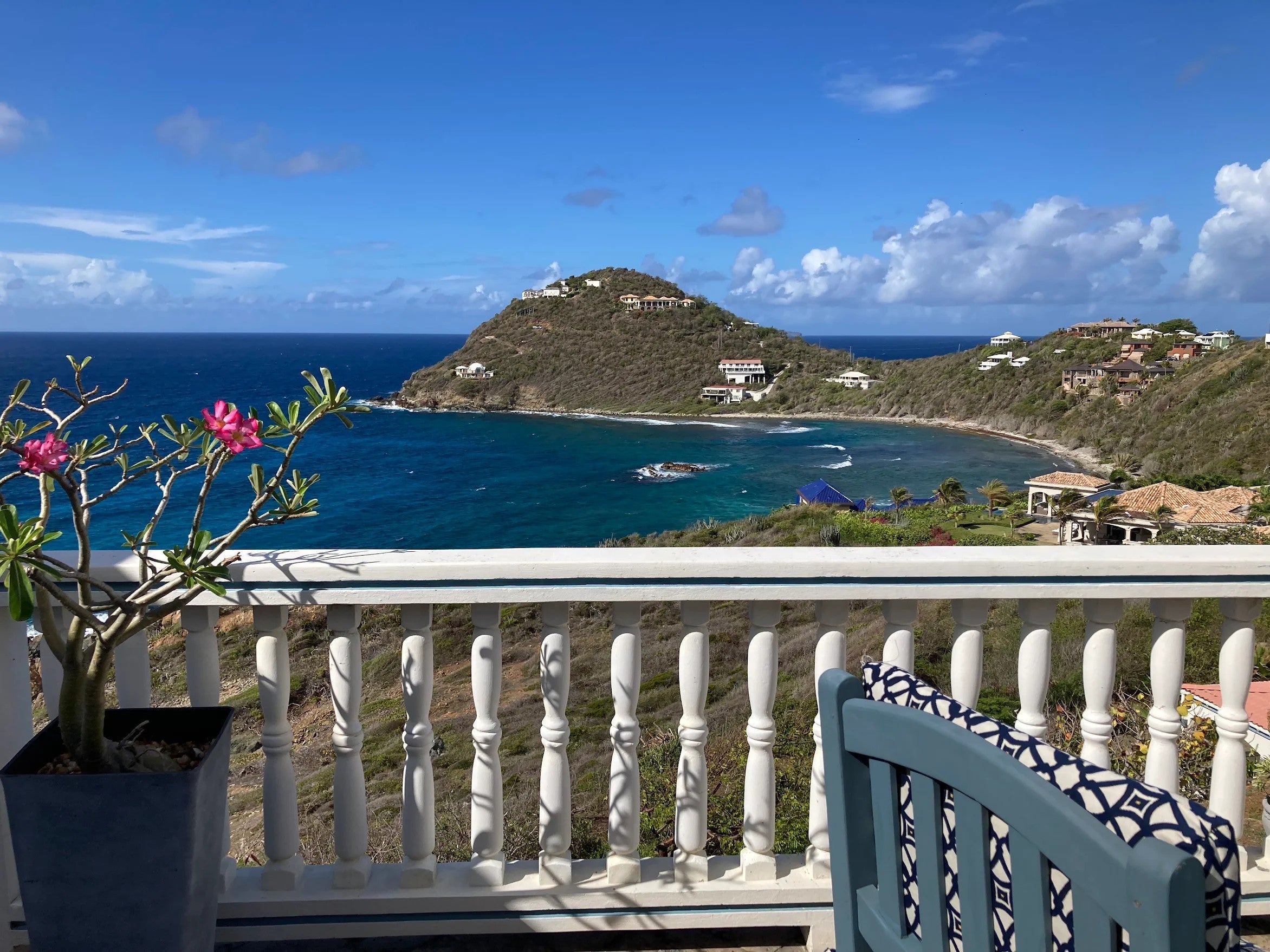
Coral Bay sits on the quieter east side. It feels more spread out, with open views and a slower day-to-day pace. It’s less about going out and more about settling in. You’ll find smaller local spots, fewer crowds, and a more residential feel.
The distance between the two doesn’t look far, but the drive tells a different story. Winding roads and elevation changes turn that short stretch into a 20–25 minute drive in good conditions, and closer to 30 minutes when things slow down.
What many visitors end up wanting is something in between.
There are pockets just outside Cruz Bay that give you a bit more space and elevation without adding much drive time. In those areas, you can be close enough to town for dinner or a quick grocery run, but far enough out to skip the congestion.

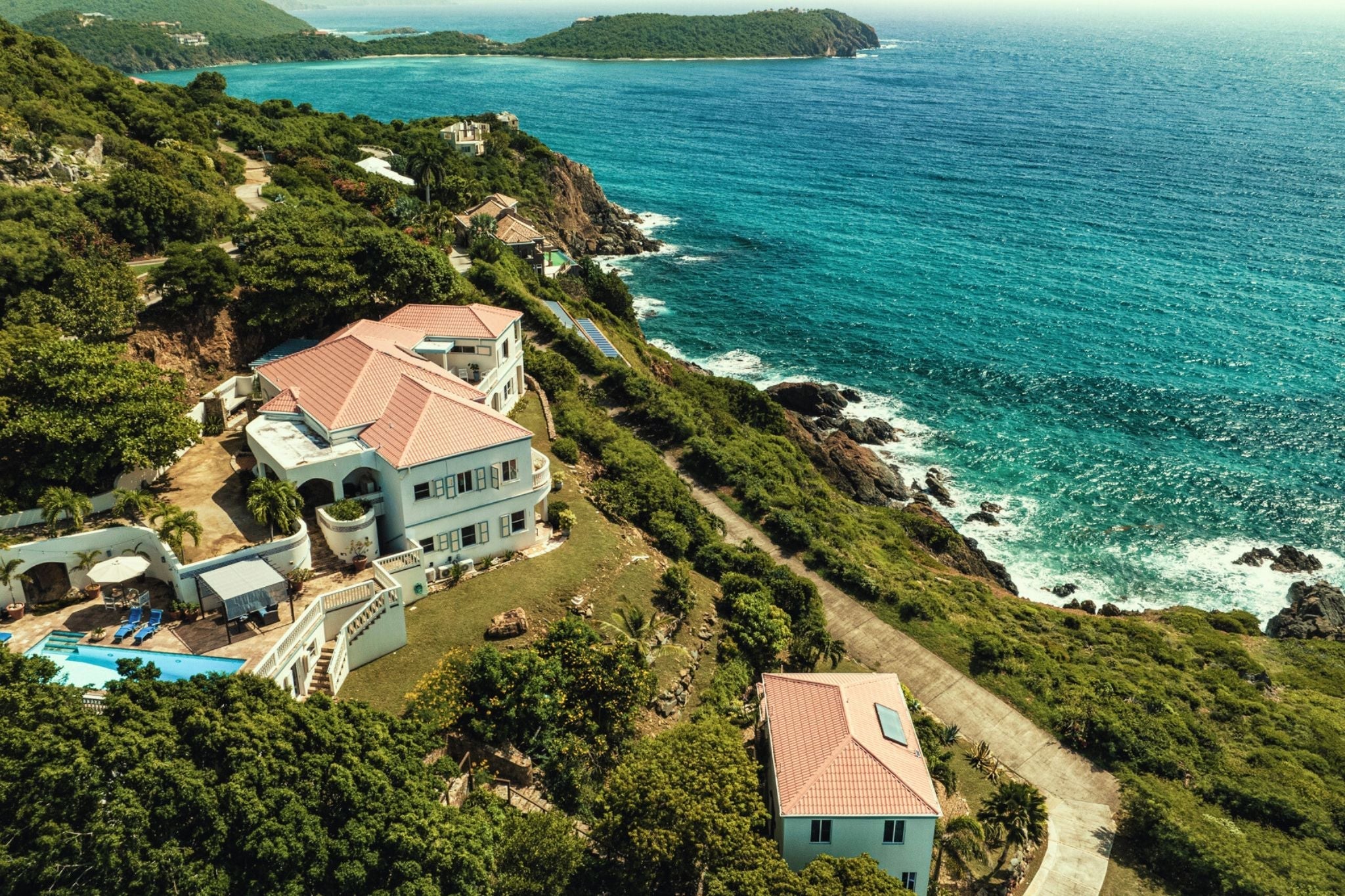
For example, staying in a spot like Villa Copa puts you about 8 minutes from Cruz Bay, which makes it easy to head into town when you want to, without feeling like you’re in the middle of it all. It also keeps drives to the north shore beaches straightforward, without having to cross the island each day.
Elevation plays into this too. Homes slightly above town often catch better breezes and open up to wider views, especially in the evenings. The drive up is usually manageable, but you still get that sense of being tucked away.
That balance, close to Cruz Bay but not right in it, tends to make the biggest difference over the course of a stay.
Driving vs Taxis vs Walking Based on Geography
Getting around depends a lot on where you’re staying.
Driving gives you the most flexibility. You can reach beaches, viewpoints, and restaurants on your own time.
Taxis are easy to find in Cruz Bay and work well for short trips or evenings out. For longer distances across the island, they can add up.
Walking works within Cruz Bay itself, especially near the ferry and surrounding streets. Once you move outside that area, hills come into play quickly and walking becomes less practical.
Most visitors end up using a mix, but having a car makes everything easier, especially if you want to explore beyond town.