How to Plan a Virgin Islands National Park Itinerary: Beaches, Hikes, and Historic Sites
Virgin Islands National Park shapes much of the St. John experience. Its protected beaches, hiking trails, historic ruins, coral reefs, and marine habitats influence where visitors go, what they can do, and how they should prepare for each day.
A good Virgin Islands National Park itinerary is not about squeezing every beach and trail into one trip. It is about choosing experiences that match your group's interests, energy level, and comfort in the water.
Some travelers want an easy beach day with restrooms and rentals nearby. Others would rather hike through tropical forest, snorkel above seagrass beds, or visit places that reveal the island's complex history. Once you understand how the park's main areas differ, planning becomes much easier.
For additional inspiration beyond the park, explore Villa Copa's guide to things to do on St. John.

What to Know Before Planning Your National Park Days
Virgin Islands National Park is open throughout the year, but individual facilities, visitor services, trail conditions, fees, and water access rules can change.
Before leaving for the day, review the National Park Service's current park alerts and conditions. It is also helpful to check the park's current operating hours and facility information, particularly when planning to use the facilities at Trunk Bay or visit the Cruz Bay Visitor Center.
A few basic planning habits can make the day easier:
- Start popular beach or hiking days early.
- Carry drinking water, sun protection, and insect repellent.
- Wear closed-toe shoes for longer or rougher trails.
- Avoid leaving valuables unattended in a parked vehicle.
- Check surf and weather conditions before entering the water.
- Build some flexibility into the itinerary instead of scheduling every hour.
Visitors who are still organizing their arrival, ferry transfer, or island transportation can also review Villa Copa's guide to traveling to St. John.

How to Choose the Best Virgin Islands National Park Beaches
Many of St. John's best-known beaches are located along the north shore, but each one offers a different type of experience. Instead of trying to visit all of them in one day, choose a beach based on the facilities, atmosphere, water activities, and accessibility your group needs.
The National Park Service maintains an official guide to park beaches and historic sites, which is worth checking before your visit.
Trunk Bay: Best for a Convenient First Visit
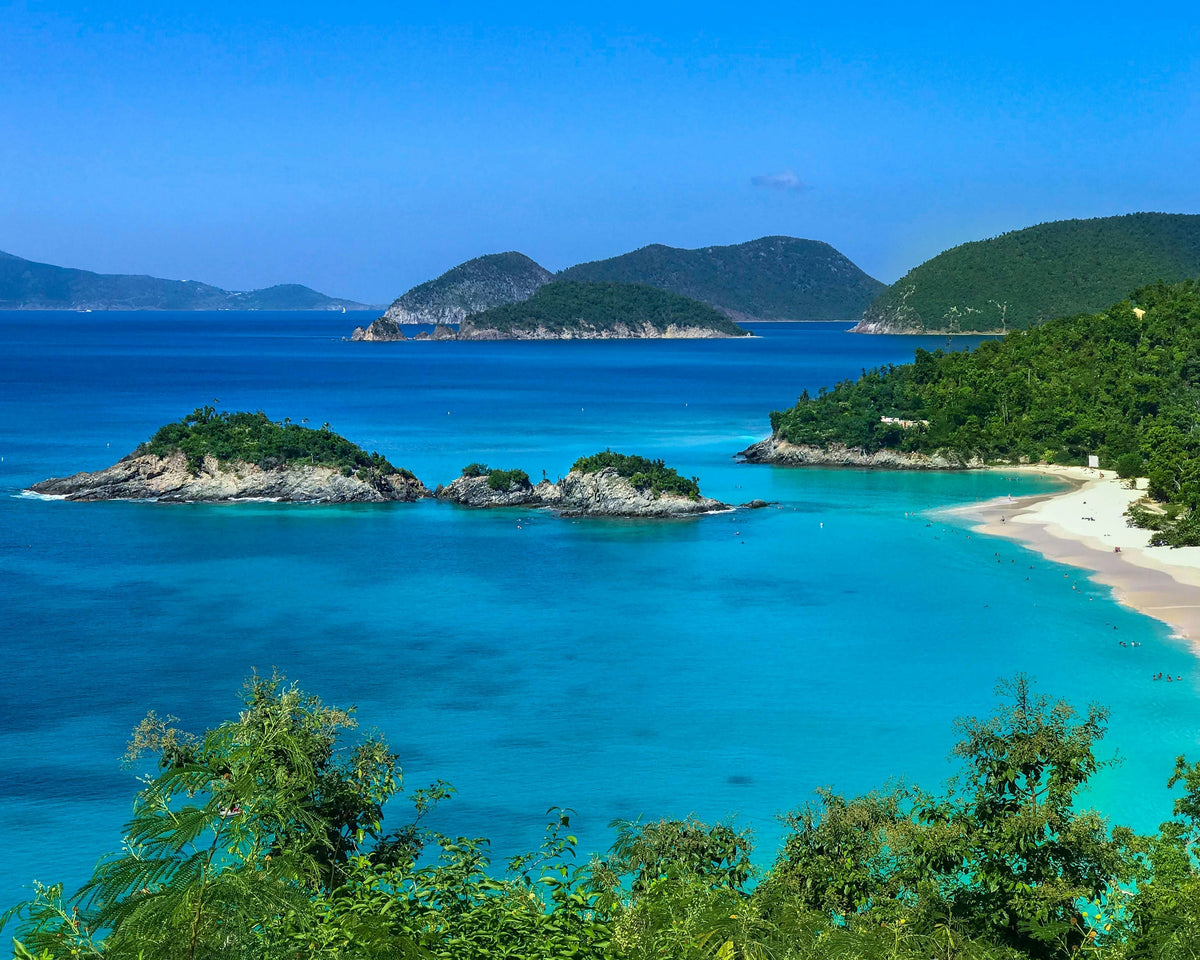
Trunk Bay is one of the most recognizable beaches on St. John. Its facilities, snorkel-equipment rentals, underwater snorkeling trail, showers, and food service make it a practical choice for first-time visitors and families.
A day-use fee applies, and facility hours are separate from the park's general operating hours. Visitors should also not assume that a lifeguard will be present.
Because Trunk Bay is popular, an earlier arrival can make parking and settling in easier. Rather than treating it as one stop on a rushed beach tour, consider staying long enough to swim, snorkel, walk the beach, and enjoy the setting.
Cinnamon Bay: Best for Space and a Longer Beach Day
Cinnamon Bay offers a broad, extended shoreline with room for walking, relaxing, and enjoying the water. It generally works well for families and groups that want to remain at one beach for several hours.
The beach is also associated with Cinnamon Bay Campground and visitor amenities, although operating schedules can change. Check current information before depending on food service, rentals, or other facilities.
Cinnamon Bay is a good alternative for travelers who want a more open beach setting without planning several separate stops.
Hawksnest Beach: Best for a Shorter or Flexible Visit
Hawksnest is located closer to Cruz Bay than several other north-shore beaches. That makes it useful for a shorter swim, a first-afternoon outing, or a beach stop on a day that includes another activity.
The beach has reefs that attract snorkelers, along with picnic areas, restrooms, changing facilities, and accessible paths. Water visibility and swimming conditions can vary, so evaluate conditions when you arrive.
Maho Bay: Best for Shallow-Water Exploration
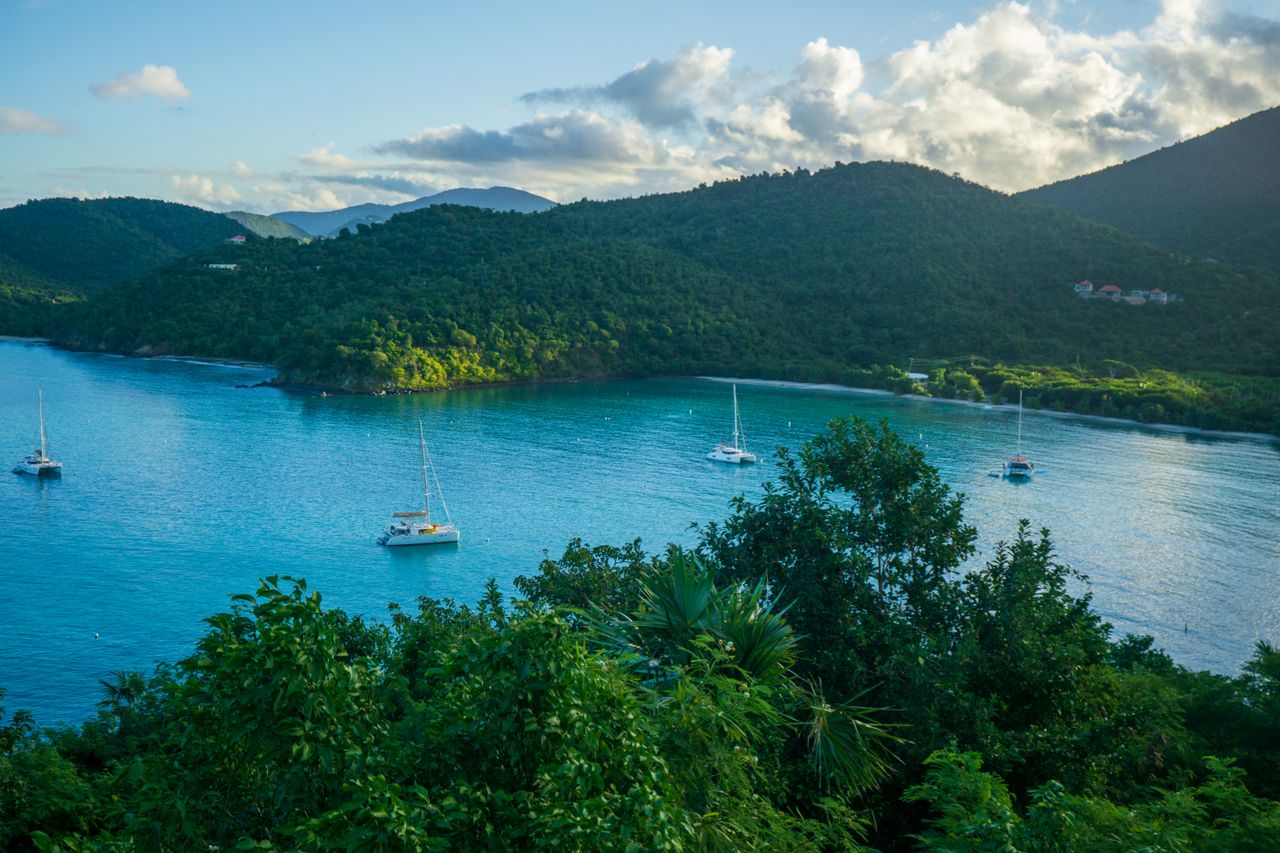
Maho Bay is known for its seagrass habitat and opportunities to observe sea turtles. Its shoreline and marine environment make it popular with snorkelers and groups whose members have different comfort levels in the water.
Wildlife sightings are never guaranteed. Give turtles and other marine animals plenty of space, avoid chasing or touching them, and never stand on coral or seagrass.
Parking and roadside activity can become busy, so remain alert when walking near the road or unloading equipment.
Francis Bay: Best for a Quieter Pace
Francis Bay often appeals to visitors who want a less structured beach day. The area offers swimming, snorkeling along the rocky shoreline, picnic facilities, parking, and a trail around the nearby pond.
It can work especially well for travelers who prefer to spend several unhurried hours in one location rather than moving between the island's busiest beaches.
How to Choose the Right St. John Hiking Trail
St. John's hiking trails are not only scenic routes. Many lead through historic landscapes shaped by Indigenous communities, Danish colonization, plantation agriculture, enslavement, and changing land use.
Before selecting a route, consider the trail's length, terrain, shade, elevation, and distance from your accommodation. The National Park Service's St. John hiking guide provides an overview of additional park trails.
Reef Bay Trail: Best for History and a Challenging Hike
Reef Bay Trail is one of the park's best-known hiking routes, but it should not be treated as a casual nature walk.
The trail descends through tropical forest and passes plantation-era ruins, stone walls, and a spur trail leading toward ancient petroglyphs associated with the Indigenous Taino people. The route continues toward the Reef Bay Sugar Mill and shoreline.
According to the National Park Service's Reef Bay Trail guidance, the trail is steep, rocky, uneven, and approximately three miles one way to the beach. The uphill return is more demanding than the descent.
Bring substantial drinking water, food, a hat, insect repellent, and sturdy closed-toe footwear. Travelers unsure about completing the round trip should investigate current ranger-guided options before committing to the hike.
Ram Head Trail: Best for Coastal Views
Ram Head Trail begins in the Salt Pond Bay area and leads toward a dramatic coastal viewpoint. It is shorter than Reef Bay Trail but includes rocky, steep, and exposed sections with limited shade.
This route is best tackled when temperatures are more comfortable. Carry more water than you expect to need, use sun protection, and wear footwear suitable for uneven terrain.
The Salt Pond Bay area also makes it possible to combine the hike with a swim, provided water conditions are safe.
Lameshur Bay Area: Best for a More Remote Experience
Great and Little Lameshur bays provide access to snorkeling areas and nearby trails, including shorter routes around Yawzi Point and more involved hiking options.
The area feels more remote than the north shore, and road or trail access can occasionally be affected by conditions or preservation work. Check the park's current alerts before setting out and avoid assuming that every route will be accessible.
How to Explore the Park's Waters Safely and Responsibly
A large portion of Virgin Islands National Park lies underwater, making snorkeling, swimming, paddling, sailing, and boating central to the St. John experience.
Maho Bay, Hawksnest, Trunk Bay, Francis Bay, and the Lameshur area all offer different snorkeling environments. However, the "best" snorkeling location depends on swimming ability, wind, waves, visibility, and current marine conditions.
Review the park's water and trail safety guidance before entering the water. Important practices include:
- Look at marine life without touching it.
- Rest only on sandy areas rather than coral or seagrass.
- Give sea turtles and other wildlife plenty of room.
- Use reef-conscious sun protection.
- Pay attention to surf flags and posted warnings.
- Avoid snorkeling alone.
- Leave the water when conditions exceed your ability.
Kayakers and boaters should also review the NPS marine visitor-use map. Anchoring, mooring, beach-access channels, swimming areas, and boat-exclusion zones are regulated to protect people and marine habitats.
Using an experienced local guide or rental operator can simplify planning, but visitors remain responsible for following park regulations and assessing conditions.
How to Experience St. John's History Through the National Park
Virgin Islands National Park preserves more than natural scenery. It also protects places connected to the island's Indigenous, African, European, and Caribbean history.
These sites should be approached as places of learning and reflection rather than simply as scenic ruins.

Visit Annaberg Sugar Plantation
Annaberg contains the remains of a windmill, factory, living quarters, and other structures associated with sugar production during Danish colonial rule.
The site also represents the lives and forced labor of hundreds of enslaved Africans. The National Park Service's Annaberg Sugar Plantation history explains the site within the broader histories of Indigenous displacement, European settlement, enslavement, resistance, and survival.
Annaberg can be visited independently, and interpretive information helps explain the buildings and landscape. It can also be paired with a north-shore beach without requiring an entire day.
See the Reef Bay Petroglyphs and Sugar Mill Ruins
A spur from Reef Bay Trail leads toward petroglyphs carved into rock near a seasonal pool. These carvings are culturally significant and should never be touched.
Farther along the trail, the Reef Bay Sugar Mill provides another view into plantation agriculture and the changing technologies used in sugar production.
Because reaching these sites requires a demanding hike, plan them as the day's primary activity rather than adding them to an already crowded schedule.
For a broader introduction to local customs, history, and respectful visitor behavior, read Villa Copa's guide to St. John's island culture.
Three Practical Ways to Organize a Park Day
Option 1: An Easy North-Shore Beach Day
Choose one primary beach, such as Trunk Bay or Cinnamon Bay, and arrive early enough to settle in without rushing. Spend most of the day swimming, snorkeling, and relaxing rather than moving between several parking areas.
Add Annaberg only when the group still has the time and energy for a historical stop.
Option 2: A Beach-and-Hike Day
Choose a shorter hike, such as Ram Head, and complete it before the strongest heat. Follow it with time at Salt Pond Bay if conditions are appropriate.
Avoid combining a strenuous trail like Reef Bay with an ambitious afternoon schedule.
Option 3: A Flexible Mixed-Interest Day
Start with a beach that works for different swimming abilities, such as Maho or Francis Bay. Allow stronger swimmers to snorkel while other group members relax onshore.
Return toward Cruz Bay later in the day for shopping, dining, or a slower evening.
Where to Stay for a Flexible St. John Itinerary
Choosing a comfortable base makes it easier to adjust plans around weather, energy levels, and water conditions.
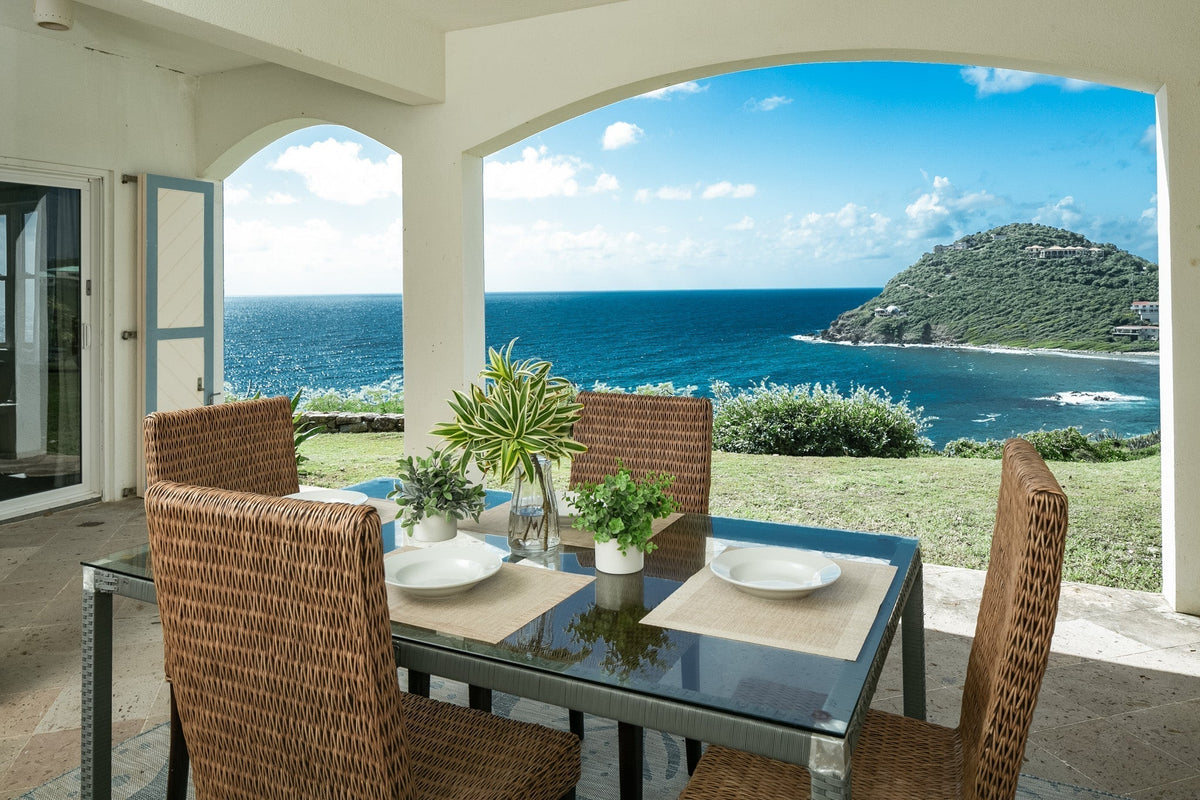
Villa Copa offers a private St. John villa setting with views of Rendezvous Bay while remaining close to Cruz Bay and the island's principal routes. Guests can leave early for a hike or beach morning, return to the villa to rest, and decide later whether to head back out.
The property includes four ocean-view bedrooms, a full kitchen, pool, air conditioning, Wi-Fi, a whole-home generator, and indoor-outdoor spaces designed for groups of up to eight guests.
You can explore Villa Copa's rooms and amenities or view availability and book Villa Copa directly.
Frequently Asked Questions About Virgin Islands National Park
How many days should I spend exploring Virgin Islands National Park?
Three or more days give most visitors enough time for a north-shore beach day, a hiking or historical experience, and a snorkeling or boating activity. Travelers staying for a full week can explore at a slower pace and adjust plans around changing conditions.
What is the best beach in Virgin Islands National Park for first-time visitors?
Trunk Bay is one of the easiest choices for first-time visitors because it offers recognizable scenery, visitor facilities, rentals, and an underwater snorkeling trail. Cinnamon Bay may be better for travelers who want more room for a longer beach day.
Is Reef Bay Trail suitable for beginners?
Reef Bay Trail is strenuous, steep, rocky, and approximately three miles one way to the beach. Beginners should carefully evaluate their fitness, footwear, water supply, and ability to complete the uphill return.
Can you snorkel from the beaches on St. John?
Yes. Several park beaches provide shore-access snorkeling, including Trunk Bay, Hawksnest, Maho Bay, Francis Bay, and areas around Lameshur. Conditions vary, and every swimmer should assess waves, visibility, currents, and personal ability before entering.
Do I need a car to explore Virgin Islands National Park?
Some destinations can be reached by taxi, but a rental vehicle can provide more flexibility for travelers planning multiple beaches, trails, and historical stops. Parking is limited in some areas, so having a vehicle does not eliminate the need to start early and plan carefully.
Build Your St. John Trip Around the Experience You Want
The best Virgin Islands National Park itinerary is not the one with the most stops. It is the one that gives you enough time to appreciate each beach, trail, reef, or historic site without turning the day into a checklist.
Choose one main experience, verify current park conditions, and leave room to slow down. That flexibility is one of the qualities that makes St. John memorable.
After a day of exploring, Villa Copa provides a private place to swim, rest, cook together, and enjoy the views over Rendezvous Bay.