Where to Find the Best Snorkeling Spots in the U.S. Virgin Islands
The U.S. Virgin Islands are a dream for ocean lovers, with clear water and hidden coves perfect for exploring. November and December are great months to go—warm, calm mornings and smaller crowds make it easy for beginners to enjoy.
From the calm bays of St. John to the vibrant reefs of St. Croix, here’s your guide to finding the best snorkeling spots in the Virgin Islands.

Beginner’s Guide to Snorkeling in the Virgin Islands
If you’re new to snorkeling, the Virgin Islands are one of the easiest and safest places to start. The water is warm year-round, and most beaches have gentle entry points where you can wade right in.
What First-Time Snorkelers Can Expect
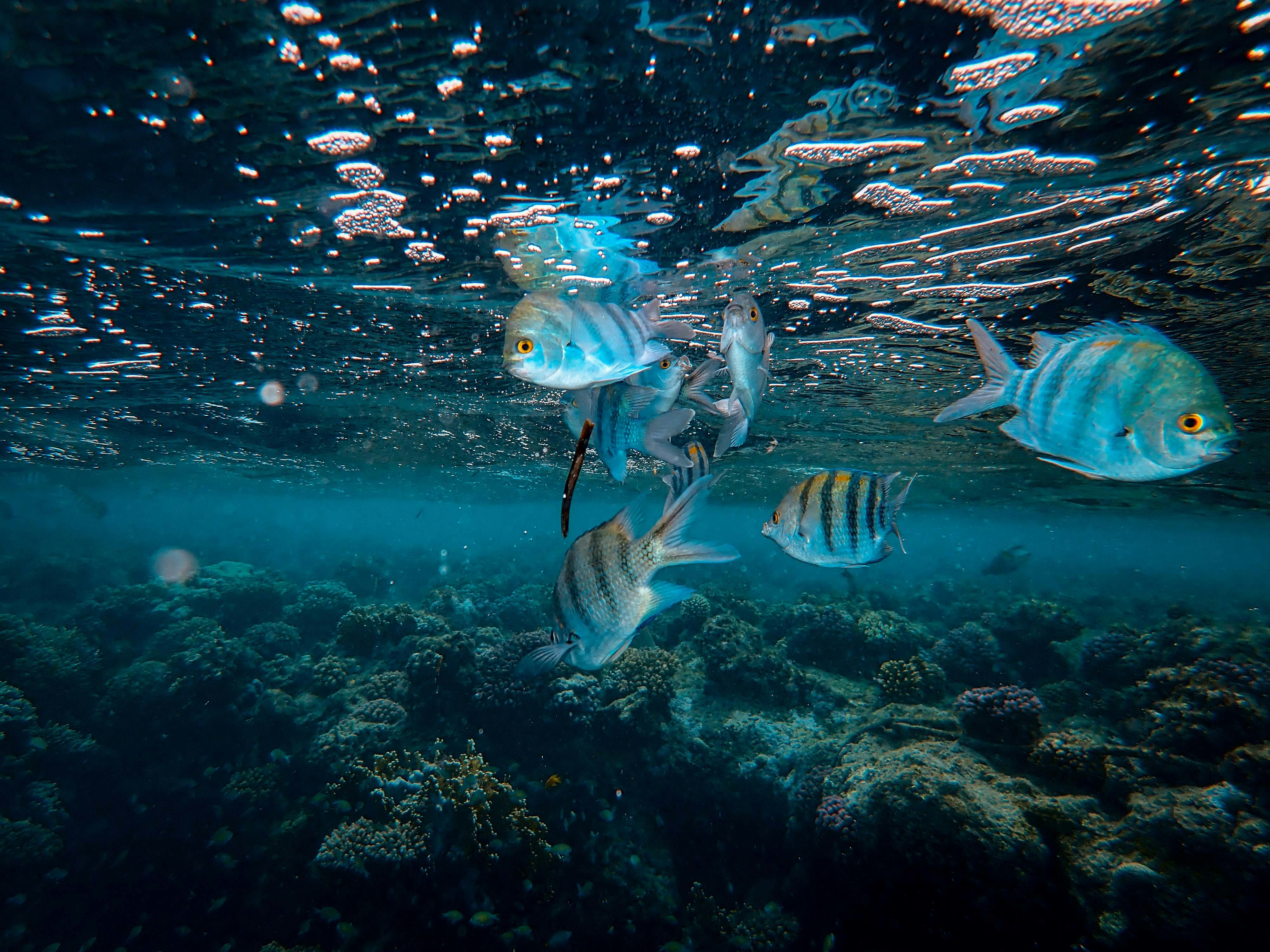
Beginners often feel most comfortable starting in shallow areas where they can stand and ease into the experience. Many beaches across the USVI have soft sand, gentle slopes, and clear water that helps you get used to breathing through your snorkel at your own pace. Early hours often bring calm seas, which is helpful when you are learning to float and relax on the surface. Expect to see reef fish, small coral heads, and sea turtles grazing in sheltered bays. Many new snorkelers stay close to shore during their first session and gradually explore slightly deeper areas as they gain confidence.
Best Beginner-Friendly Beaches in the USVI That Your Family Can Try
The Virgin Islands offer several beaches where calm water, shallow entry points, and steady visibility make snorkeling easy for beginners and families. These spots are among the best places to snorkel in St. John USVI and throughout the islands, giving new swimmers a comfortable place to practice while still enjoying close-to-shore marine life.
On St. John, Maho Bay is known for quiet conditions and wide seagrass beds where sea turtles graze in shallow water. Trunk Bay adds gentle surf and a simple underwater trail that guides beginners past coral heads and bright reef fish, making both beaches two of the best places to snorkel in St. John USVI for first-timers.
St. Thomas offers Coki Beach, where clear water and an approachable reef sit only a short swim from shore, and Secret Harbour, a sheltered cove with mild conditions suited for relaxed, steady exploration.
St. Croix provides two accessible options as well. Frederiksted Pier has calm water and colorful marine life gathering around the pilings, and Cane Bay offers a sandy, gradual entry that helps beginners settle into their gear before drifting toward the reef.
These beaches consistently deliver gentle access, predictable conditions, and easy marine life viewing, helping families and first-time snorkelers feel comfortable the moment they step into the water.

How to Stay Safe and Comfortable as a New Snorkeler
New snorkelers benefit from a few simple habits inspired by standard beginner guidance. Test your mask seal before entering the water and practice breathing through your snorkel while standing in the shallows. Swim at a relaxed pace and stay aware of your surroundings, especially mild currents or shifts in wind. Choose beaches with lifeguards or steady foot traffic if you want extra reassurance. Give coral and wildlife space, since maintaining distance keeps you safer and protects the reef.
Essential Snorkel Gear for First-Time Visitors
A basic snorkel setup works well for most beginners. A well-fitted mask with tempered glass helps you see clearly and reduces the chance of fogging, while a snorkel with a splash guard keeps water out during surface breathing. Short, flexible fins are easier for new snorkelers to control and help you move without strain. For those just starting out, investing in the best beginner snorkel set can simplify your preparation, as these sets usually include a mask, snorkel, and fins designed for comfort and ease of use.
Many first-timers also bring a rash guard for sun protection, a snorkel vest for extra buoyancy, and defog solution or a mild baby shampoo rinse for the mask. These essentials create a smooth, comfortable experience in the water, letting you focus on exploring the reef and observing marine life.

Family-Friendly Snorkeling Beaches in St. Thomas, St. John & St. Croix
For families, calm waters and sandy shores make snorkeling easy for kids and beginners alike.
-
Maho Bay, St. John – Ideal for spotting green turtles grazing in seagrass beds just a few yards offshore.
-
Coki Beach, St. Thomas – Known for its shallow reef right off the sand, this spot is perfect for little ones learning to use a mask. The fish are friendly, and the beachside kiosks make for an easy day out.
-
Cane Bay, St. Croix – Offers a long, gradual slope into deeper waters, great for families ready to explore a bit further.
Each island offers something unique, but what they share is a community that values the ocean deeply. Respecting the reefs and wildlife ensures these beaches stay beautiful for generations to come.
Hidden Bays & Lesser-Known Snorkeling Spots Only Locals Know
For those who prefer quieter corners of the islands, there are hidden bays that locals visit to escape the crowds.
-
Haulover North, St. John – A rugged, pebbled beach with some of the most pristine coral reefs on the island. The swim is easy, but you’ll feel far from the tourist path.
-
Waterlemon Cay, St. John – Reachable by a short hike through the Annaberg area, this cay circles around a living reef full of starfish, rays, and angelfish.
-
Buck Island, St. Croix – A protected marine sanctuary where you can snorkel a marked underwater trail and see coral gardens untouched by development.
These hidden spots show a side of the Virgin Islands that many visitors miss—untamed, quiet, and alive with color.

Night Snorkeling & Unique Underwater Experiences
For something truly magical, try night snorkeling. Guided tours in St. Thomas and St. Croix take you out after sunset, when the reef glows with bioluminescence. You’ll see creatures that only come out at night, including octopus, slipper lobsters, and fluorescent corals.
If you’d rather stay close to shore, some St. John beaches are perfect for twilight swims, when the water takes on a glassy calm and the last sunlight fades behind the hills.
Insider Tips From Local Snorkelers
Local snorkelers often recommend arriving earlier in the day to enjoy calm conditions before boat traffic increases. For the best experience, consider going snorkeling during the calmer hours of the day when water conditions are usually steadier and visibility is higher.
For all beginners, simple safety practices are important. Checking that your mask fits well, testing your snorkel in shallow water, maintaining slow and steady breathing, and moving carefully around the reef can make the experience more comfortable and safe while protecting marine life.
Marine Conservation in the Virgin Islands: Protecting Reefs & Wildlife
The coral reefs of the Virgin Islands are living treasures. Many areas fall under protection by the Virgin Islands National Park and the Buck Island Reef National Monument, both dedicated to preserving fragile marine ecosystems.
Visitors play a big part in conservation. Use reef-safe sunscreen—traditional products can harm coral even in trace amounts—and avoid touching or standing on coral formations.
Many local nonprofits, such as Friends of Virgin Islands National Park, organize volunteer cleanups and reef monitoring programs. Joining one can make your snorkeling experience even more meaningful.
The Villa Copa Way: Snorkel, Stay, and Slow Down
Exploring the reefs is about more than spotting fish—it’s about slowing down enough to feel the island life. When you stay at Villa Copa, you’re perfectly placed to do just that.
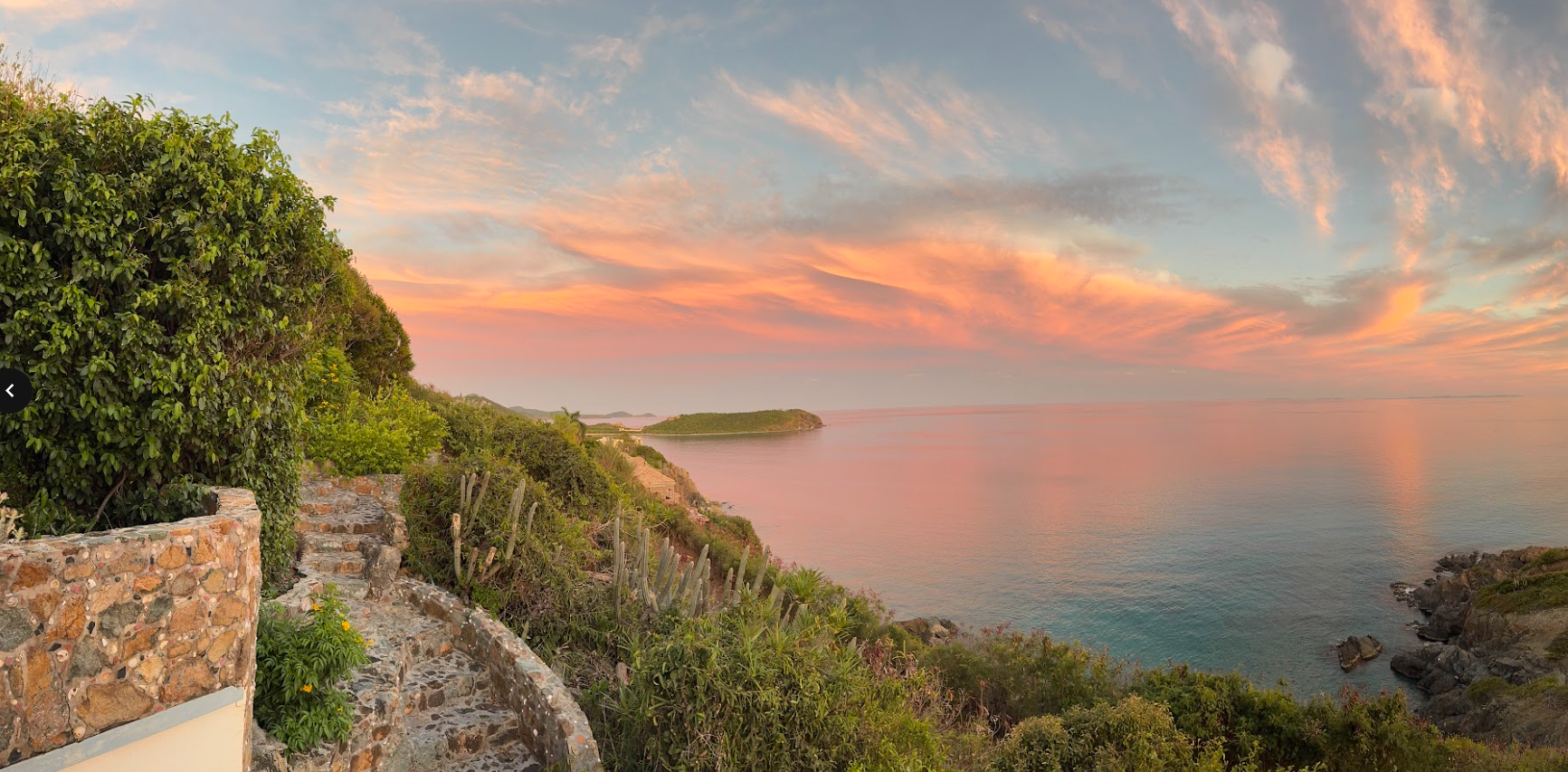
Wake up with coffee overlooking the water, spend your morning snorkeling with sea turtles, and unwind on the terrace as the day softens into sunset.
And every time you slip into the sea, you’ll understand what makes this place unforgettable: life here doesn’t just move slower—it moves deeper.