
Why St. John Seasons Feel Different
St. John is not a place where the temperature changes dramatically from month to month. What changes is the visitor experience.
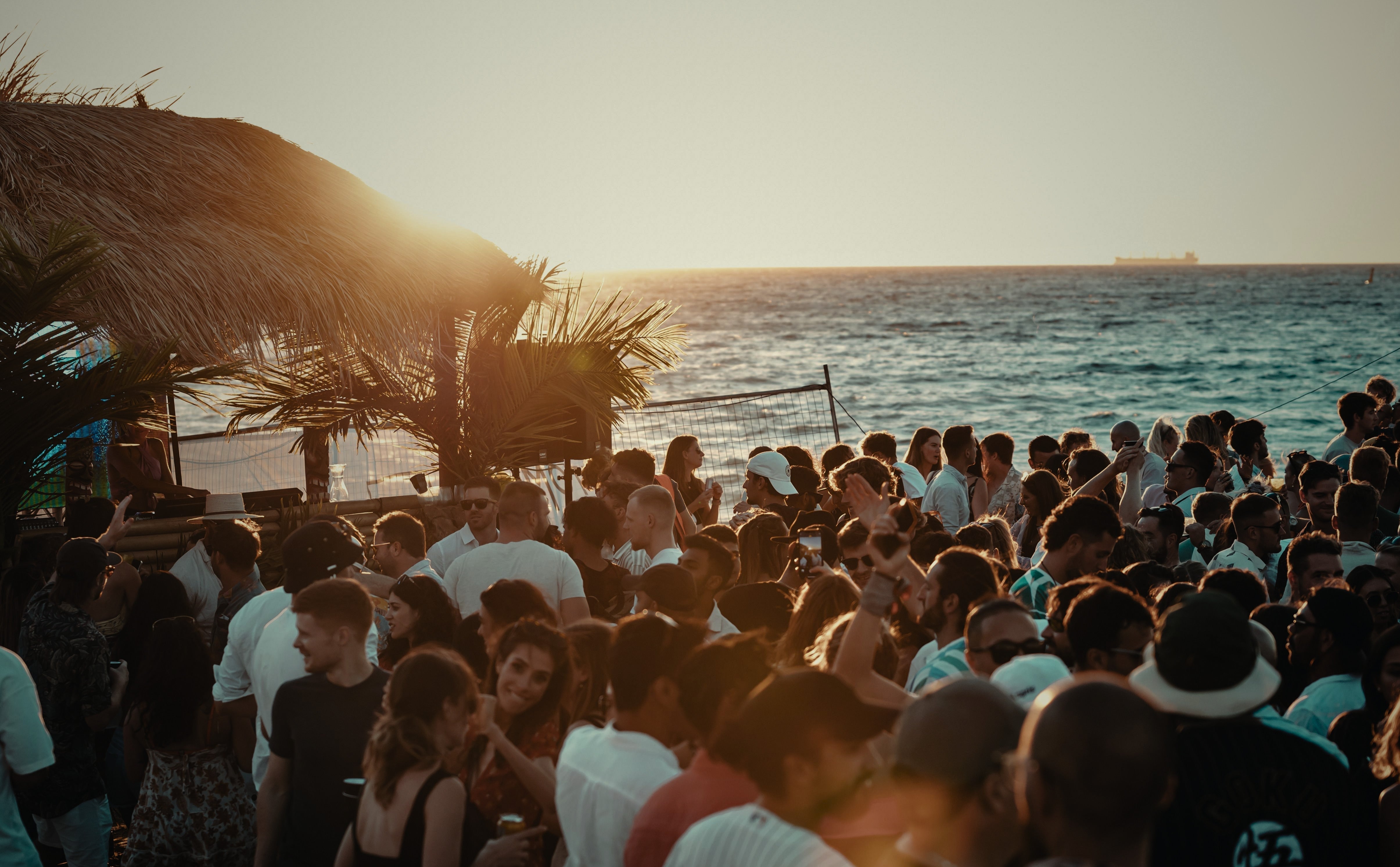
During high season, the island feels energetic. Cruz Bay is active, restaurants are busy, and popular beaches fill earlier in the day. During shoulder season, the island stays open and active but feels more relaxed. During the deepest off-season, you may find quieter beaches, better rates, and fewer crowds, but also more limited business hours and higher weather risk.
The island is also shaped by the sea. The National Park Service notes that winter winds and cold fronts can create larger waves on north shore beaches, while summer tends to bring lighter winds and more tropical-weather patterns.
That is why the best time to visit St. John is not just about choosing the sunniest month. It is about choosing the version of the island that fits your travel style.
The Shoulder Season Sweet Spot
Best for
- First-time visitors
- Snorkeling and beach vacations
- Travelers who want lower prices without losing access to restaurants and activities
- Visitors who prefer a relaxed but still lively island atmosphere
For many repeat visitors, late April through July is one of the best times to visit St. John.
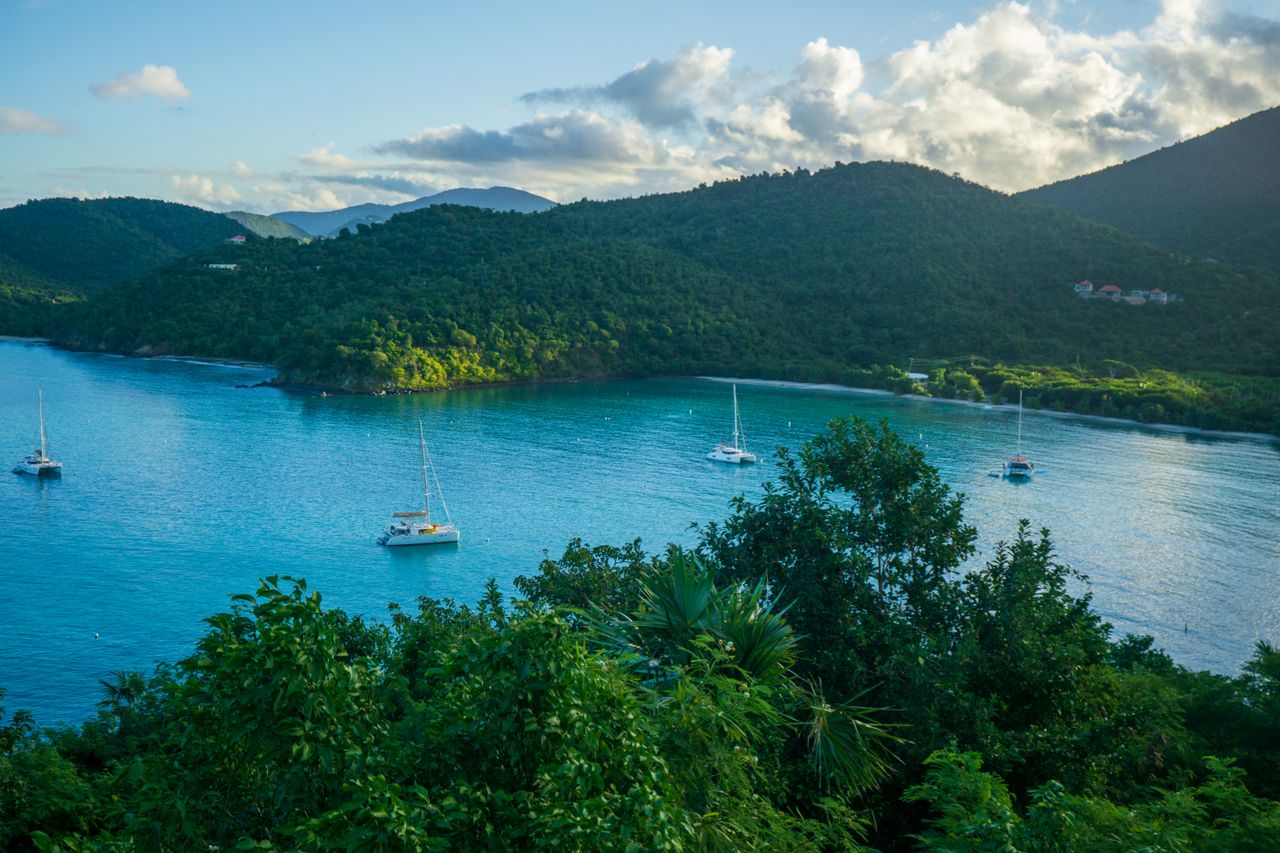
By late April, the winter crowds have started to leave, but the island has not fully shifted into its slower off-season rhythm. Restaurants are still open. Beach bars still feel lively. Excursion boats are still heading out in the morning. The difference is that the island no longer feels like it is rushing to keep up with peak-season demand.
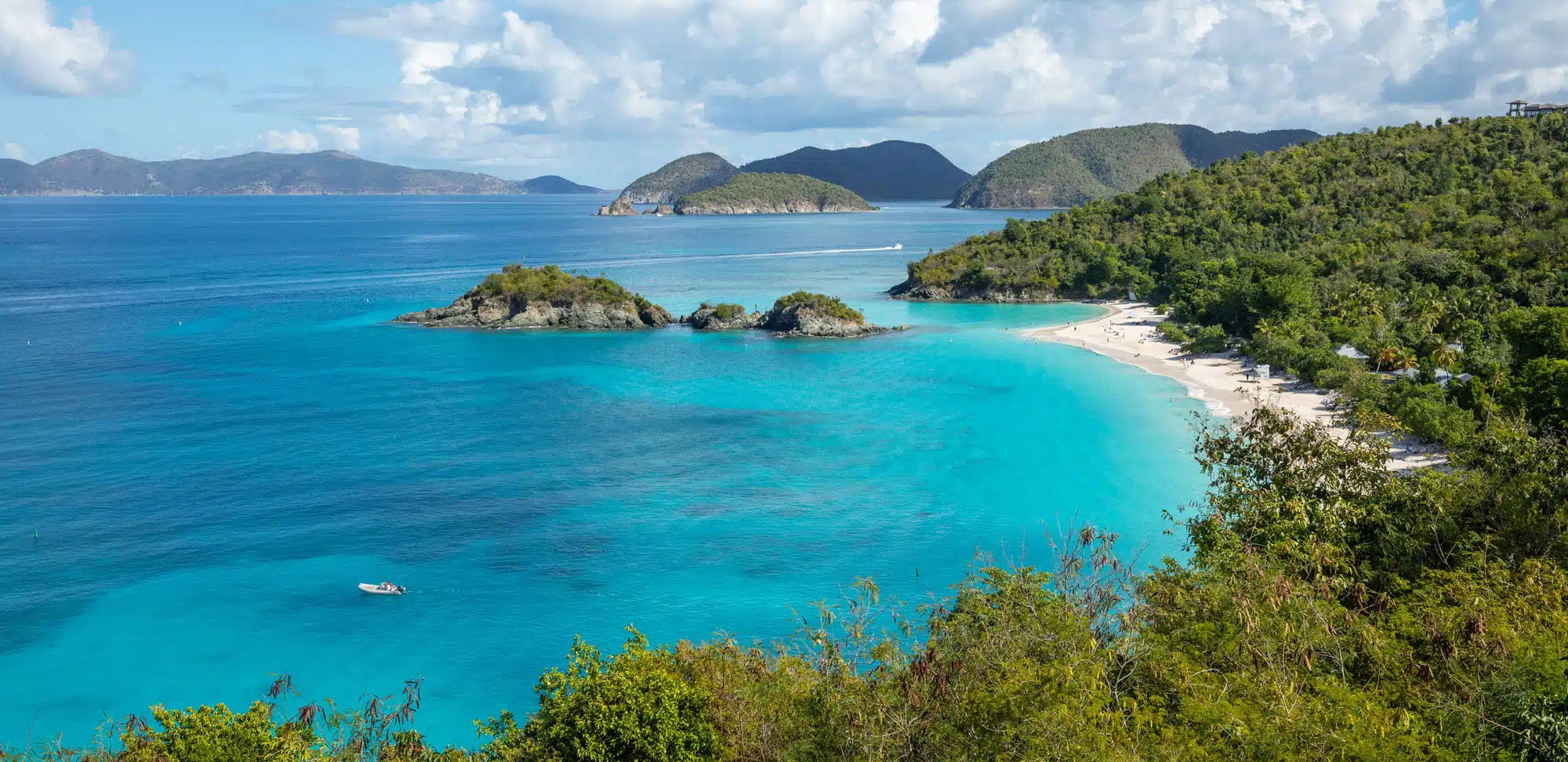
Parking at popular beaches like Trunk Bay, Cinnamon Bay, and Maho Bay can feel more manageable. Dinner reservations may be easier to secure. Beaches still have energy, but there is more room to spread out and enjoy the view.
This is also a strong time for travelers who want to spend their days in the water. St. John is known for snorkeling, beaches, hiking, and outdoor adventure, with much of the island connected to Virgin Islands National Park and its coastal landscapes.
For beach planning, pair this article with our beach guide near Cruz Bay.
Why Late Spring and Early Summer Work So Well
Late spring and early summer offer a rare balance:
- The island is active, but not overcrowded.
- Many restaurants and tour operators are still operating normally.
- Prices may be lower than peak winter rates.
- Beaches often feel less congested.
- The pace is calmer without feeling empty.
This is also when the island can look especially colorful. Flamboyant trees often bloom around late spring and early summer, adding bright red and orange color to the hillsides.
For travelers who want St. John to feel relaxed, beautiful, and easy to enjoy, this season is hard to beat.

Full High Season
Best for
- Winter escapes
- Travelers who enjoy a lively atmosphere
- Visitors who want the widest access to restaurants, tours, and activities
- Families and groups traveling during school breaks
Mid-December through April is St. John's busiest travel window. This is when visitors come to escape colder mainland weather, and the island responds with energy.
Cruz Bay feels more active. Restaurants are busier. Beaches fill earlier. Villa guests, day-trippers from St. Thomas, charter boats, and cruise-related traffic can all add to the crowds, especially around the island's most popular areas.
The benefit is convenience. If you want the fullest version of the island, high season delivers. Restaurants, bars, shops, and excursions are typically at their most active.
The trade-off is also clear: higher prices, more competition for reservations, and busier beaches.
If dining is a major part of your trip, review our guide to the best restaurants on St. John near Cruz Bay and book ahead when possible.
What to Know About Winter Beach Conditions
Winter can also affect the feel of the north shore beaches. The National Park Service notes that winter fronts can create large waves breaking on north shore beaches, and visitors should use caution when entering the water during those conditions.
That does not mean winter is a bad time for the beach. It simply means you may need to stay flexible. If Trunk Bay or Cinnamon Bay is rough, many visitors adjust their plans and look for calmer protected areas or south-facing options.
High season is best for travelers who want energy, activity, and full island access, and who do not mind planning ahead.
The Deep Off-Season
Best for
- Budget-conscious travelers
- Visitors who want privacy and quiet beaches
- Flexible travelers comfortable with changing plans
- People who value solitude over a packed activity calendar
Mid-to-late September is the quietest version of St. John.
This is the period when the island slows down most noticeably. Visitor numbers drop, beaches can feel almost empty, and accommodations may be more affordable than during winter. If you have ever imagined seeing Trunk Bay without the usual crowds, this is one of the times when that experience is most possible.
But September requires realistic planning.
The Atlantic hurricane season officially runs from June 1 through November 30, and NOAA identifies September 10 as the peak of the Atlantic season, with most activity occurring between mid-August and mid-October. Official USVI tourism guidance also notes that September and October carry the highest hurricane-season risk, even though many days can still be sunny.
That does not mean every September trip is disrupted. Many days can be beautiful. But it does mean travelers should consider flexible cancellation policies, travel insurance, and backup plans.
What Changes During Deep Off-Season
During this slower period, some restaurants, tour operators, and businesses may reduce hours or close temporarily for staff breaks, renovations, or maintenance. Boat charters and water excursions may also run on more limited schedules because demand is lower.
If a tropical storm threatens the island, restaurants, ferries, water activities, and excursions may pause until conditions improve. These disruptions are usually tied to active weather events, not every single day of hurricane season.
After heavy autumn rains, some visitors may also notice brief hatches of harmless flying termites, sometimes called rain moths. They can be surprising if you have never seen them before, but they usually disappear quickly.
September can be peaceful and beautiful, but it is best for travelers who are flexible, patient, and comfortable with a slower island pace.
Quick Reference: Which St. John Season Fits Your Trip?
| Season | Best For | What to Expect |
|---|---|---|
| Late April–July | Best all-around balance | Lighter crowds, active restaurants, good beach days, and a relaxed atmosphere. |
| Mid-Dec–April | Lively winter vacations | Peak prices, busier beaches, full restaurant and activity access. |
| Mid–late Sept | Quiet, budget-friendly trips | Very low crowds, lower rates, higher weather risk, and possible business closures. |

Planning Tips Before Choosing Your Dates
Before you choose your travel dates, think about how you want the trip to feel.
If you want full activity and do not mind crowds, winter is a great fit. If you want a more balanced trip with beaches, restaurants, and excursions still available, late April through July may be ideal. If you want solitude and lower prices, September can work well as long as you plan around hurricane-season uncertainty.
It is also smart to think about arrival logistics. St. John does not have its own airport. Most travelers fly into St. Thomas and reach St. John by ferry, water taxi, or private boat, with ferries arriving at Cruz Bay. For more details, visit our page on traveling to St. John.
You may also want to plan your activities around the season. For ideas, explore our guide to things to do on St. John.
Where to Stay on St. John by Season
No matter when you visit, your home base can shape the entire experience.
In high season, staying near Cruz Bay gives you easier access to restaurants, shops, beaches, and ferry connections. In shoulder season, a well-located villa helps you enjoy both convenience and quiet. In off-season, a comfortable villa becomes even more important because you may spend more time relaxing between beach days, passing showers, or limited restaurant hours.
Villa Copa overlooks Rendezvous Bay and is just a short drive from Cruz Bay and many of St. John's most beautiful beaches.
It gives guests access to the island while still offering a quieter, more private place to unwind. You can also explore our rooms to see whether the layout fits your group.
FAQs About the Best Time to Visit St. John
What is the best month to visit St. John?
For many travelers, May and June are among the best months to visit St. John because they offer a strong balance of lighter crowds, active restaurants, beach time, and better value than peak winter dates.
When is high season in St. John?
High season generally runs from mid-December through April. This is when the island is busiest, prices are higher, restaurants are more active, and popular beaches can fill earlier in the day.
Is September a good time to visit St. John?
September can be a good time to visit if you want quiet beaches, lower rates, and a slower pace. However, it is also part of peak Atlantic hurricane activity, so flexible travel plans and travel insurance are strongly recommended. NOAA identifies September 10 as the peak of the Atlantic hurricane season.
Do restaurants close during the St. John off-season?
Some restaurants and businesses may reduce hours or close temporarily during the slower fall period, especially in September. Check current hours before your trip and avoid overplanning every meal.
What is the best time for snorkeling on St. John?
Snorkeling conditions vary by beach, wind, swell, and daily weather. Late spring and early summer can be a strong choice because the island is less crowded and many beach days are still easy to enjoy. Always check local conditions before entering the water.
Is winter a bad time to visit St. John?
No. Winter is one of the most popular times to visit St. John. It is lively, warm, and active. The main drawbacks are higher prices, larger crowds, and occasional north shore wave conditions during winter fronts.
Final Thoughts
There is no wrong time to visit St. John. There are simply different versions of the island.
Winter brings energy, full restaurants, and a lively vacation atmosphere. Late April through July offers the best balance of access, value, and breathing room. September brings quiet beaches and lower rates, but also requires flexibility because of hurricane-season risk and reduced business schedules.
The best time to visit St. John depends on what you want most: activity, balance, or solitude.
If you are planning a snorkeling trip, winter escape, family vacation, or quiet off-season getaway, choosing the right home is important. Villa Copa gives you a peaceful place to stay near Cruz Bay, beaches, restaurants, and island activities.