St. John Travel Guide: What First-Time Visitors Should Know
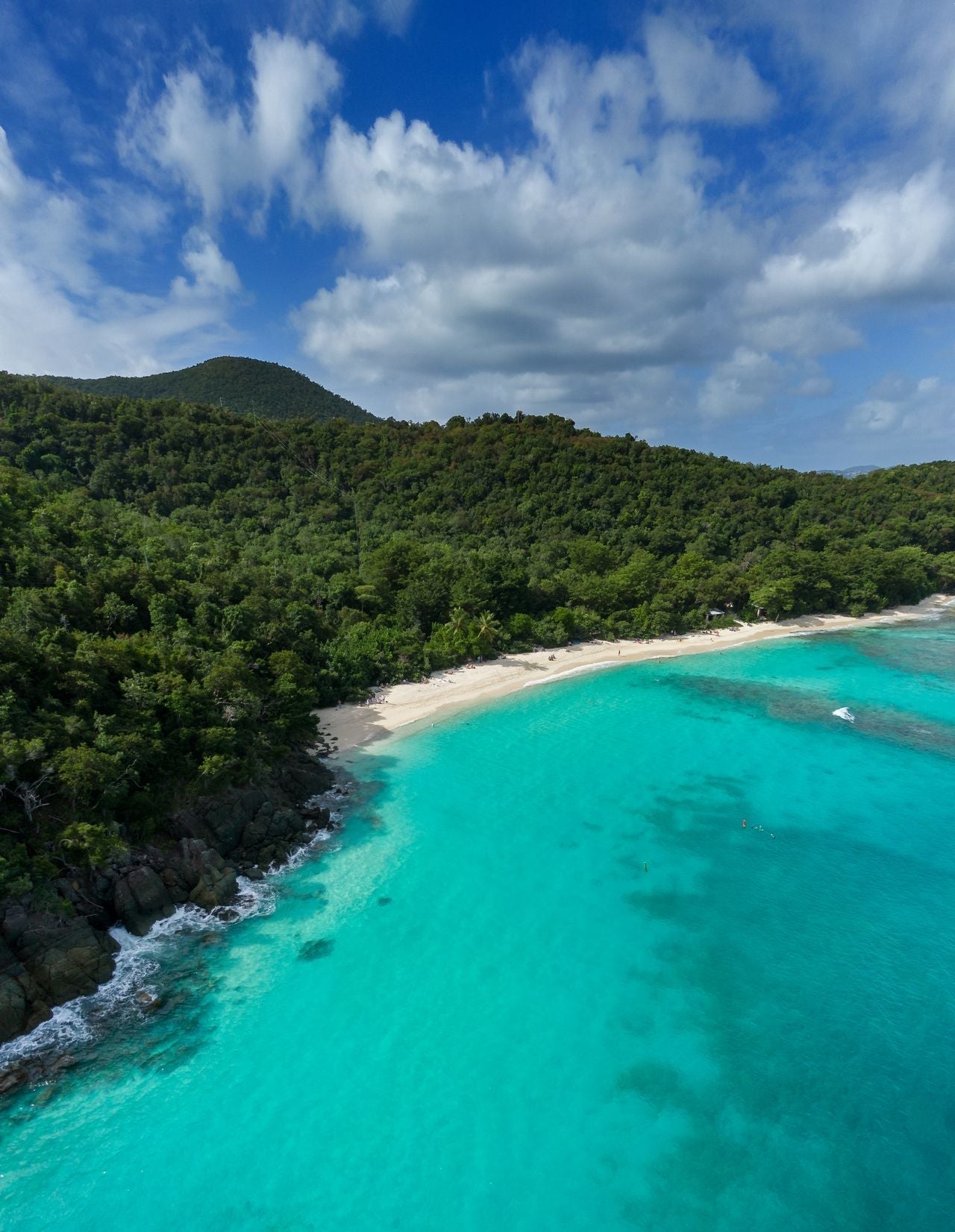
There’s a reason people fall in love with St. John so quickly. The beaches are unforgettable, the water hardly looks real, and island life feels refreshing and uncomplicated. But for first-time visitors, St. John also comes with a few surprises that most travel guides rarely talk about.
At Villa Copa, one of the things we enjoy most is helping guests feel prepared before they even step off the ferry in Cruz Bay. From driving steep island roads and understanding cistern water to protecting your skin, staying hydrated, and exploring the reef safely, a little local knowledge can make a big difference.
We’ve listed down the health and safety tips in St John, USVI. And if you want to know how to get to St John USVI, we also have a friendly guide here. Consider this your pre-arrival briefing from someone who lives on the island.

Health & Sun Safety Tips for St. John Travelers
The Caribbean sun is not the sun you know.
If you’re coming from the mainland U.S., whether that’s New York, Georgia, or even Miami, it’s worth knowing that UV levels in the Caribbean regularly reach 11 or higher, the highest category on the UV scale. Even on cloudy days, it’s surprisingly easy to get more sun than expected, especially after a morning at Trunk Bay or snorkeling near Maho Bay.
When packing for St. John, I always recommend mineral-based, reef-safe sunscreen with zinc oxide or titanium dioxide as the active ingredients. It helps protect your skin, and it’s also the safest choice for the reefs around the island. In the U.S. Virgin Islands, sunscreens containing oxybenzone, octinoxate, and octocrylene are prohibited because of their impact on coral ecosystems. The reefs you'll be snorkeling over are protected ecosystems. Help us keep them alive.

Pro Tip: Pick up a water-resistant SPF 50+ before you leave home. Chelsea Pharmacy in Cruz Bay carries some options, but selection is limited and prices reflect island logistics.
Hydration & Cistern Water in St. John
One of the things that catches many first-time visitors off guard on St. John is that most villas here, including many private homes across the island, run on rainwater. St. John doesn’t have a municipal water supply connected to the mainland, so homes collect rainwater in underground or above-ground cisterns, which then supply the villa’s water system.
At Villa Copa, our water comes from the same rain-fed cistern systems that support much of life on St. John. Because it’s naturally rainwater, the water tends to feel softer on your skin and hair, without the harsher feel that heavily treated city water can sometimes have. Before it reaches the villa, our water goes through a sediment filtration system and is then UV-treated, making it safe for drinking, cooking, showering, and everyday use throughout your stay.
Wildlife, Bugs & Plants to Watch For on St. John
Between the beaches, hiking trails, and quiet roads, you’re constantly surrounded by wildlife, tropical plants, and the little details that make the island feel alive. Most of it is completely harmless, but there are a few things worth knowing before you head out for the day.
No-See-Ums
If you’ve never heard of no-see-ums before, you probably will after your first beach sunset. These tiny biting midges are nearly invisible and tend to come out most around dawn and dusk, especially near the water.
We always recommend packing a DEET-based repellent or picaridin spray if you’re spending evenings outdoors. And if you do end up with a few bites, hydrocortisone cream or Benadryl gel usually helps calm the itch pretty quickly.
The Manchineel Tree
This is probably the one plant warning on St. John that’s genuinely worth remembering. There is one known remaining manchineel tree on St. John, located near Haulover Bay on the East End. It’s fenced off and clearly marked, so you’re not likely to miss it.

The manchineel is known as one of the most dangerous trees in the world. Its sap, bark, leaves, and even its small apple-like fruit are toxic. The best advice here is simple: don’t touch it, don’t stand under it during rain, and definitely don’t get curious about the fruit, no matter how harmless it looks.
Sea Urchins
If you’re snorkeling or exploring some of the rockier shoreline areas around St. John, there’s a good chance you’ll come across sea urchins tucked between the rocks.
They’re a normal part of the reef ecosystem, but it’s always smart to wear water shoes in shallow or rocky areas and pay attention to where you step. If you do get spined, carefully remove what you can with tweezers, soak the area in warm water, and vinegar can sometimes help with irritation. If the reaction feels more serious, the team at Myrah Keating Smith Community Health Center is there if needed.
The Locals
You’ll probably meet some of St. John’s local residents long before you expect to. Mongoose, hermit crabs, pelicans, and the occasional iguana are all part of everyday island life.

The mongooses are usually the ones that catch people off guard because they’re quick, curious, and surprisingly bold. They may look harmless, but like any wild animal, it’s best to admire them from a distance. Feeding wildlife may seem friendly in the moment, but it changes their natural behavior and often brings them closer to roads, homes, and people than they should be.

Snorkeling Safety & Reef Etiquette in St. John
Snorkeling Etiquette & Reef Awareness
Most of my favorite memories on St. John have happened in the water. Whether it’s snorkeling around Maho Bay, drifting through the clear water at Cinnamon Bay, or spotting sea life near Waterlemon Cay, the experiences truly make a mark even after the trip.
The first thing to remember is to never stand on coral, even if it looks like old rock or something that’s no longer alive. Coral reefs in USVI waters have been growing for decades, and what looks lifeless on the surface may still be part of a living ecosystem.

If you’re lucky enough to spot a sea turtle, enjoy the moment from a distance. It’s one of the best parts of snorkeling on St. John. Sea turtles are protected throughout the U.S. Virgin Islands, so touching them, chasing them, or swimming too closely can stress them and disturb their natural behavior.
If you’re newer to snorkeling, pay attention to your fins. It’s surprisingly easy to kick coral behind you without realizing it, especially in shallower reef areas. I always tell first-timers to get comfortable in sandy, open water before heading toward the reef.
And just like anywhere in the Caribbean, conditions can change quickly. Areas between bays and offshore points can have stronger currents than they appear from shore. Before heading in, it’s always worth checking the water conditions and asking locals or the team at the Virgin Islands National Park Visitor Center if there are any current advisories, jellyfish activity, or visibility updates for the day.
One last thing that makes a huge difference: if you’re renting gear, take a minute to make sure your mask fits properly. A comfortable mask can turn your first snorkel into one of the highlights of your trip.
Driving in St. John: Roads, Parking & Jeep Tips
Left-Side Driving: More Serious Than It Sounds
If it’s your first time driving on St. John, the biggest adjustment might be that: cars here drive on the left side of the road, but most vehicles still have the steering wheel on the left, just like back home in the U.S. That combination can feel a little strange at first, and almost everyone has at least one small “wait... am I in the right lane?” moment during their first day.
When I had my first drive around St. John: I kept reminding myself to stay left, especially when pulling out of parking spots or making turns. It sounds obvious, but when your instincts are used to U.S. roads, that little reminder makes a significant difference.
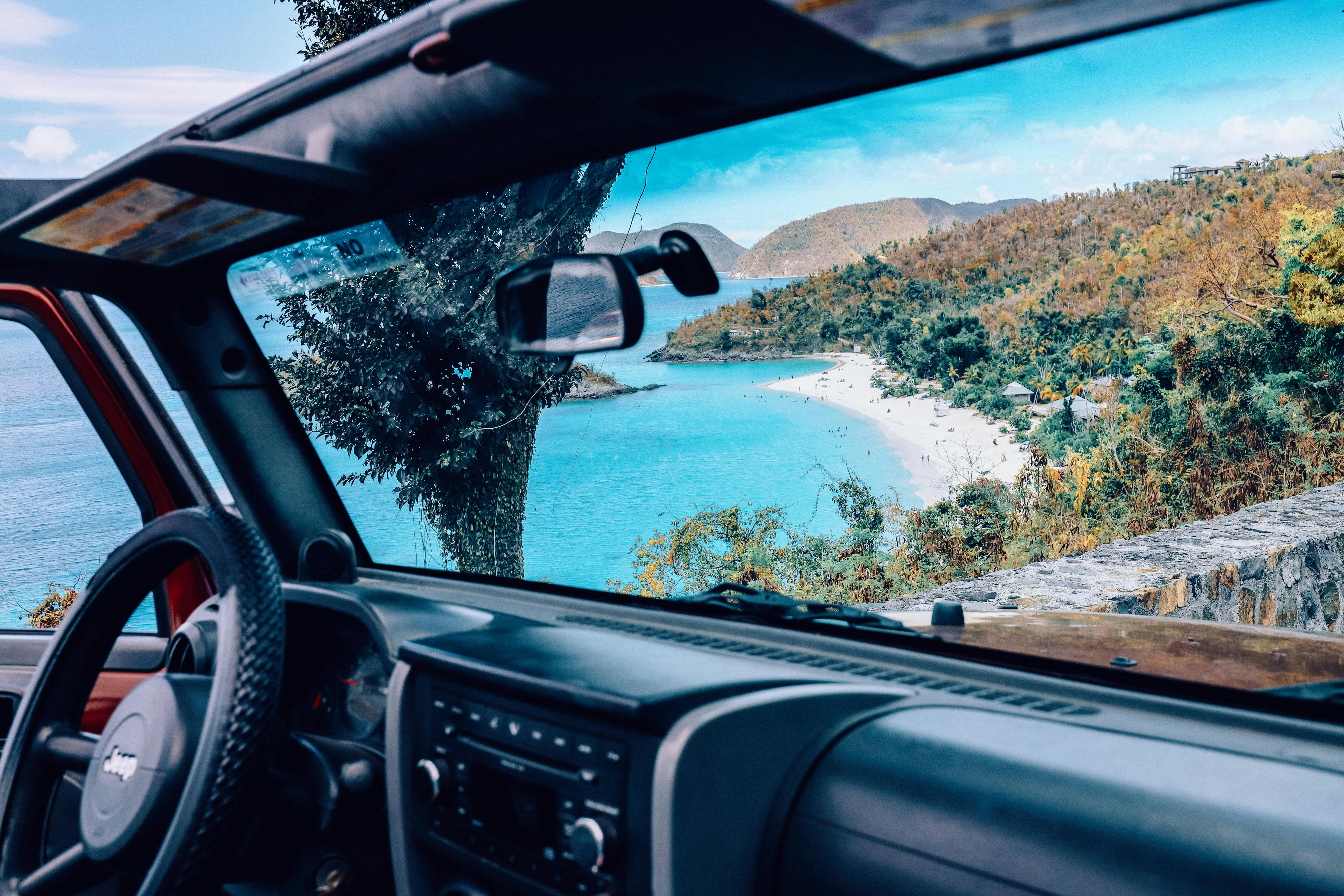
St. John is made up of steep hills, winding roads, sharp turns, and some breathtaking overlooks that can be just as distracting as they are beautiful. Roads like Centerline Road and the North Shore routes can feel a little adventurous at first, especially if you're heading out to beaches or exploring beyond town.
That’s why many travelers choose a Jeep or SUV. You don’t absolutely need one for every trip, but having a little extra clearance and confidence on the hills can make getting around feel much easier.
A few things that always help:
- Use your horn lightly around blind corners. Around here, it’s more of a friendly heads-up than anything aggressive.
- Don’t feel rushed by local drivers. They know these roads well, and you’ll find your pace.
- If you’re heading into Cruz Bay for dinner or beach parking, arriving a little earlier can save you a lot of circling later.
Hiking & Outdoor Safety Tips in St. John
Hiking: Beautiful and Genuinely Remote
With so much of the island protected as national park land, trails like Reef Bay Trail, Ram Head Trail, and Lind Point Trail offer some of the most memorable views on island.
What catches some travelers off guard is how remote parts of St. John can feel once you’re out on the trails. Cell service can be limited in certain areas, especially along some of the North Shore routes, and the heat can feel stronger than expected once you're fully exposed.

Ram Head Trail
Before heading out, I always recommend downloading your trail maps while you still have Wi-Fi. Apps like AllTrails or even offline maps can make a big difference. Bring more water than you think you’ll need, wear shoes you trust, and let someone know where you're heading if you're hiking farther from town.
Resources Here Are Finite
St. John is a small island in the middle of the Caribbean. There is no pipeline to the mainland for water or power. Everything that powers your villa, fills your cistern, and keeps your air conditioning running is managed locally, often expensively and with significant environmental cost.
That usually means simple things like turning off the AC before heading out for the day, keeping showers a little shorter after the beach, or waiting until you have a full load before running laundry or the dishwasher.
None of it feels limiting. If anything, it becomes part of understanding the island a little better.
Protecting the Reefs That Make St. John So Special
A big part of what makes St. John unforgettable lives just beneath the water.
The coral reef ecosystem of the USVI represents one of the most biodiverse environments on earth. It supports the fish populations that local fishermen depend on, the tourism economy that funds the island, and the shoreline protection that keeps your villa standing during storm season.
Wearing reef-safe sunscreen, being mindful of your fins while snorkeling, and leaving coral, shells, and marine life exactly where you found them all help keep these waters healthy for the next person who gets to experience them.
Emergency Contacts, Clinics & Useful Resources on St. John
Hopefully this is the one section you’ll never need, but I always think it’s worth saving before heading out for the day, especially on an island where cell service can disappear right when you least expect it.
| Resource | Contact / Location | Why It's Helpful |
|---|---|---|
|
🚑 Emergency Services |
📞 911 Always mention you're on St. John |
Emergency dispatch is handled by the island, so sharing your location right away helps get assistance moving faster. |
|
🏥 Myrah Keating Smith Clinic |
📍 Susannaberg, St. John 📞 (340) 693-8900 |
St. John's main medical facility. Open for 24-hour emergency care, with outpatient clinics during the week. More serious cases may be transferred to St. Thomas by medical boat. |
|
💊 Island Pharmacy |
📍 Cruz Bay, near ferry dock |
Forgotten prescriptions, sunburn relief, first aid supplies. |
|
🌿 National Park Visitors Center |
📍 Cruz Bay 📞 (340) 776-6201 |
Trail advisories, beach conditions, jellyfish alerts, free maps. |
|
⚓ US Coast Guard |
📞 787-729-6800 Boat emergency: 787-289-2042 |
Any maritime distress or water emergency beyond the shoreline. |
|
🛍️ Dolphin Market / Pine Peace Market |
📍 Cruz Bay & Coral Bay |
Great places to stock up on bottled water, snacks, medicine, or beach-day essentials before heading out. |
Come Prepared and Enjoy Every Part of St. John
St. John, USVI is among the most beautiful places one can return to. It’s not just the beaches or the sunsets. It’s the deeper connection that happens when you start to be aware of the beauty that surrounds you. Awareness of the reef beneath you, the wildlife around you, the resources that make island life possible, and the land that has been protected for generations. It’s one of the reasons St. John stays with people long after they leave.
And after a full day of beach hopping, snorkeling, hiking, or sunset dinners in Cruz Bay, the right St John villa you come home to matters most. At Villa Copa, you’ll find ocean views, your own private pool, and the kind of comfort that makes it easy to settle into island life.
We'll see you soon. The rum punch will be cold. The water will be warm. And the turtles, if you're lucky and patient, will be magnificent!